
Where to Retire Abroad: 10 Places Worth a Closer Look
People move abroad in retirement for all sorts of reasons. Some want their pension to stretch further. Some are tired of grey winters. Others simply want to spend the next chapter somewhere that feels new. Picking the place is the fun part. Making it work is harder. Can you get a visa? Will you be covered if you fall ill? How long is the flight home when a grandchild is born? Those questions matter as much as the view from the terrace. Below are ten destinations, a mix of well-trodden favourites and a few you might not have considered, with an honest note on the catch for each.
1. The Algarve, Portugal
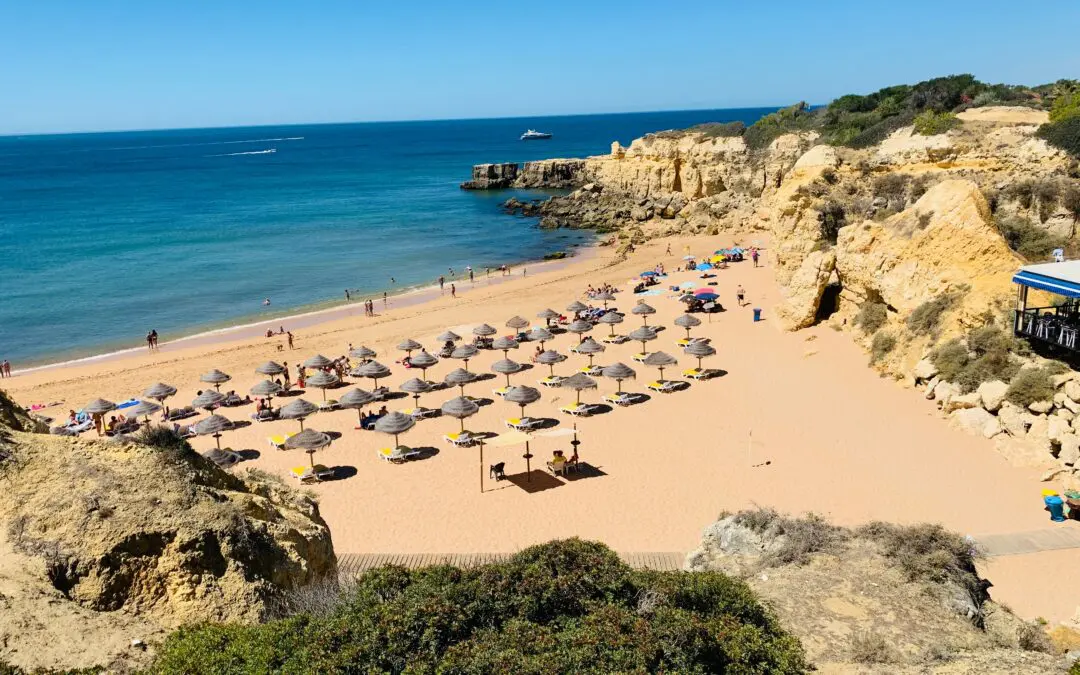
The Algarve has been a retirement favourite for decades, and it’s easy to see why. It gets around 300 days of sunshine in a typical year, the beaches are superb and the food is good and unfussy. Each town has its own feel. Lagos is lively and popular with a younger crowd. Tavira is quieter and more traditionally Portuguese. Carvoeiro sits somewhere in between, with a large and well-established international community. Portugal used to be a bargain. It’s still cheaper than much of Western Europe, but property prices in the best-known parts of the Algarve have climbed sharply. The catch: If you’re from outside the EU, Portugal’s D7 visa is one possible route, provided you meet the passive-income and other eligibility requirements. Access to public healthcare depends on your residency status and registration with the Portuguese health system, so check what cover you’ll need before and during your move.
2. Costa del Sol, Spain
Spain’s southern coast has been drawing retirees since the package-holiday boom, and the infrastructure shows it. Málaga airport has flights to almost everywhere, and the healthcare system is well regarded. The coast isn’t one place, though. Marbella is glossy and international. Estepona and Nerja feel more like Spanish towns that happen to have foreigners living in them, which many people prefer. The catch: Prices vary hugely from one town to the next. Non-EU retirees may qualify for Spain’s non-lucrative visa, but they’ll need to meet financial requirements and have qualifying health insurance from an insurer authorised to operate in Spain. Not every international health insurance policy will meet those requirements, and access to public healthcare isn’t automatic.
3. Chiang Mai, Thailand
Chiang Mai is a city of old temples, night markets and mountains on the horizon, with good coffee and decent hospitals thrown in. Rent can be a fraction of what you’d pay in Europe or North America, and there’s a sizeable foreign community if you want one. Private hospitals are good, but you pay for them. Check carefully what your insurance actually covers. The catch: Air quality. During the burning season, roughly February to April, smoke from agricultural fires can make the air some of the worst in the world. Some residents leave for those months. Thailand offers retirement visa options for people aged 50 and over, subject to financial requirements. Certain visa categories, including the O-A long-stay visa, also require health insurance meeting specific coverage and documentation rules.
4. San Miguel de Allende, Mexico
San Miguel is a colonial town of ochre and terracotta buildings, cobbled streets and an arts scene out of all proportion to its size. It has attracted American and Canadian retirees for generations, so you won’t be short of English speakers, galleries or places to eat. At around 1,900 metres up, it has a spring-like climate for much of the year. Days are warm and nights are cool. The catch: For serious or specialist medical care, you’ll probably need to travel to Querétaro, León or Mexico City. Look into Mexico’s residency requirements early, and arrange private health cover.
5. Abruzzo, Italy
Tuscany gets the attention, but Abruzzo is where many people find the Italy they were actually looking for. It runs from Adriatic beaches up into the Apennines, and a large share of the region is national park. The hill villages are beautiful and largely free of tour buses. Houses and day-to-day living are noticeably cheaper than in the fashionable regions, especially away from the coast. The catch: That rural quiet has a cost. Some villages are a long drive from a hospital, a supermarket or a train station, which matters more at 80 than at 65. Non-EU retirees can apply for Italy’s elective residence visa, but you’ll need to prove a substantial passive income.
6. Dumaguete, Philippines
Dumaguete is a laid-back university town on the island of Negros, with a seafront promenade and a reputation for being friendly to newcomers. Some of the best diving in the region is a short boat ride away, around Apo Island. English is widely spoken, which makes everything from renting a flat to seeing a doctor much simpler. The catch: Local healthcare is fine for routine needs, but anything complex may mean a flight to Cebu or Manila. The Special Resident Retiree’s Visa is the main option, and it has its own conditions.
7. Malmö, Sweden
Not everyone wants to retire somewhere hot. If you’d rather have cool summers, good public services and a city you can get around by bike, Malmö deserves a look. Sweden’s third-largest city has parks, a pleasant waterfront and excellent cycle lanes. Copenhagen is around 40 minutes away by train across the Øresund Bridge, airport included. The catch: Sweden is expensive. Without EU or EEA citizenship, or another qualifying route such as family ties, getting residency as a retiree is difficult. Access to public healthcare depends on being registered as a resident.
8. Victoria, British Columbia, Canada
Victoria, on the southern tip of Vancouver Island, has the mildest weather in Canada. Winters are wet rather than frozen. It’s a city of gardens, harbour walks and easy access to hiking, sailing and whale-watching. You also get everything you’d expect from a well-run North American city. The catch: Housing is expensive. Canada has no general retirement visa, so unless you’re a citizen or qualify through another immigration route, such as family sponsorship, moving there can be difficult. Even eligible new residents may have to wait before provincial healthcare coverage begins, so temporary private insurance is worth arranging.
9. Provence, France
Provence is the postcard version of French retirement: market mornings, rosé at lunch, lavender in July. The reality is more varied than the postcard. There are tiny hilltop villages, but also sizeable towns like Aix-en-Provence and Avignon with proper hospitals and train links. If food, wine and a slower pace are what you’re after, it’s hard to beat. The catch: Anywhere near the coast, or anywhere that’s become famous, is expensive. Non-EU retirees need a long-stay visa. Whether you can join the French healthcare system depends on your circumstances.
10. Fukuoka, Japan
Fukuoka is the main city on Kyushu, Japan’s southern island, and one of the most liveable in the country. It’s big enough to have everything but small enough not to feel like Tokyo. The beaches and hills are close, and the airport is only a few subway stops from the centre. The food alone is a reason to go. Fukuoka is the home of tonkotsu ramen and famous for its yatai, the open-air food stalls that set up along the river in the evening. The catch: Japan has no retirement visa, so long-term residency is a real hurdle unless you qualify another way. You’ll also need to think hard about the language and how you’d handle healthcare.
Before you decide: five questions to ask
- Can you actually stay? This is the first question for a reason. Some countries have a clear retirement route. Others only let you settle through work, family or investment. A dream location is no use if you can only stay 90 days at a time.
- What will it really cost? House prices are only the start. Add up utilities, transport, tax, insurance and everyday shopping. Remember that exchange rates can move a long way over a 20-year retirement.
- Who pays if you get ill? A country having good hospitals doesn’t mean you’re entitled to use them for free. Eligibility can hinge on your nationality, residency status and whether you’ve paid into the system.
- Will you still love it in February? Visit out of season, ideally for several weeks. Think about the heat, the language, how often you’ll want to fly home and how long that journey takes.
- Will it work at 85 as well as 65? Hilltop villages and island life are wonderful while you’re fit. Later on, being near a good hospital, public transport and help with daily tasks may matter far more.
A quick note on health insurance
Healthcare is the part of an overseas retirement that people most often underestimate.
Some countries let qualifying residents use the public system. Others rely more heavily on private care or require proof of health insurance before granting residency. Even where public care is available, an international policy may offer more choice, including access to private hospitals, specialist treatment or cover in more than one country, depending on the policy.
It’s important to check the rules for your destination. Some countries have specific insurance requirements for visas, and not every international health insurance policy will qualify.
Your age and medical history will affect what cover is available and what it costs. Pre-existing conditions may be excluded, covered on special terms or result in higher premiums, so it’s worth looking into this early rather than after you’ve bought the house.
ExpatInsure compares international health insurance from a panel of insurers, helping you explore the cover available for your circumstances and where you’re planning to retire.