
Dubai Travel Guide for Expats: Getting There & Around
Traveling to Dubai as an Expatriate
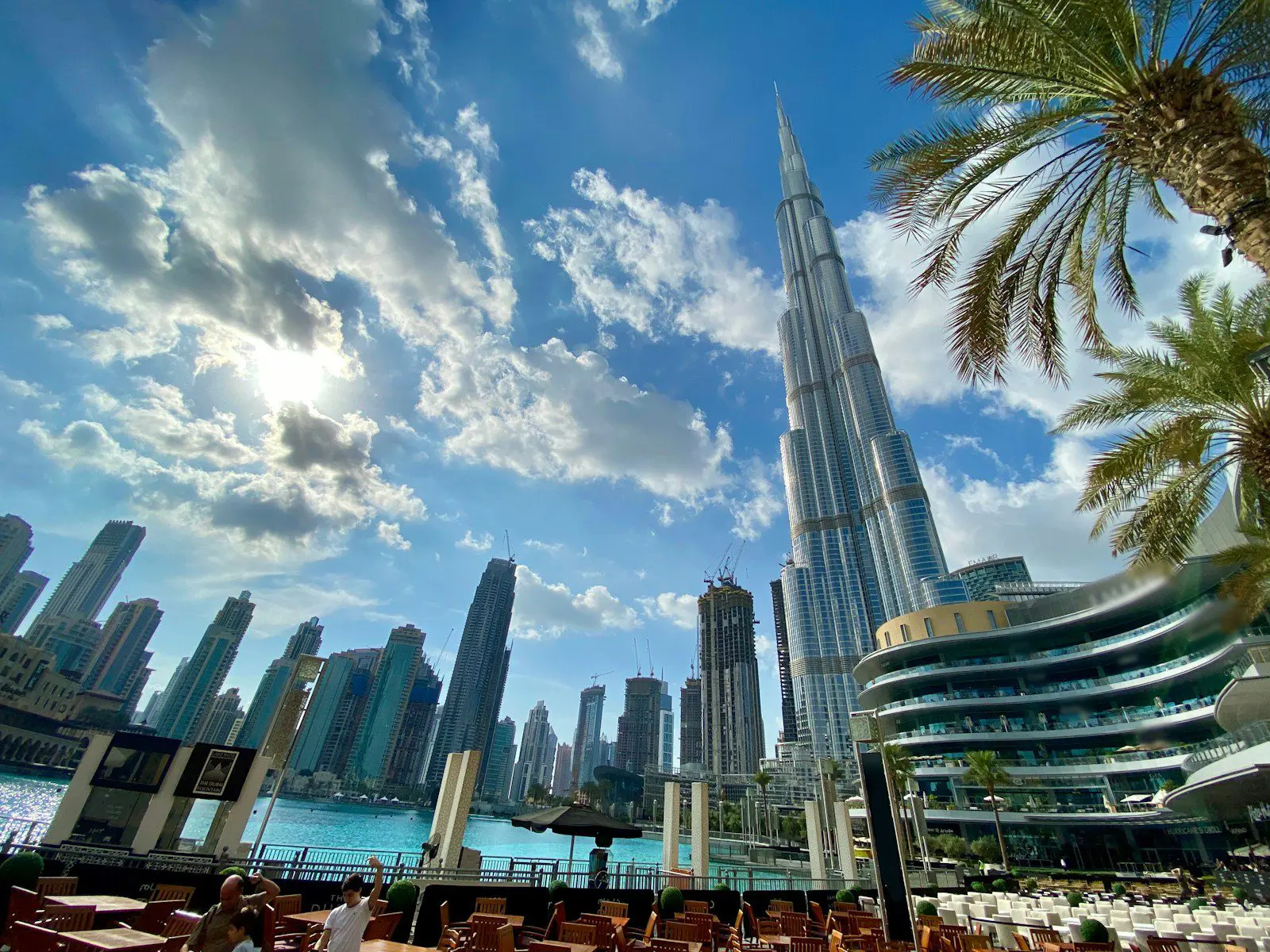
Dubai is known for its ultramodern architecture, luxurious lifestyle, and vibrant expatriate community. Located in the United Arab Emirates, Dubai is a global hub for business, tourism, and innovation, offering a unique blend of traditional Arab culture and a futuristic cityscape. Expatriates moving to Dubai can look forward to a high standard of living, diverse cultural interactions, and a wide range of leisure activities. Here’s what you need to know about traveling to Dubai as an expatriate.
By Air
The primary gateway to Dubai is Dubai International Airport (DXB), one of the busiest and most advanced airports in the world, connecting travelers to over 240 destinations across six continents via more than 100 airlines. Dubai’s second airport, Dubai World Central (DWC), is still under development and is planned to become the largest airport in the world once complete.
Major Airlines
Dubai International Airport is the home base for Emirates, the national carrier, known for its extensive route network and premium service. FlyDubai, another major carrier based at DXB, offers cost-effective travel across a broad network of cities. British Airways, Qatar Airways, and KLM also operate frequent flights to Dubai, giving expatriates a range of options depending on route and budget.
Budget Airlines
Expatriates looking to manage travel costs have several budget options into Dubai. Air Arabia, headquartered in the nearby emirate of Sharjah, operates a hub a short drive from Dubai and offers low-cost flights across the Middle East, Asia, and Africa. Wizz Air has also established a growing presence in the region, offering economical flights to Europe and the wider Middle East, a useful option for expatriates keeping in touch with family back home or exploring new destinations on a budget.
Getting to Dubai by Sea
Dubai sits on the Persian Gulf, making it a significant maritime hub as well as an air travel one. The city’s ports welcome large numbers of visitors each year, from luxury cruise liners to private yachts.
Cruises to Dubai
The primary point of entry for sea travelers is the Dubai Cruise Terminal at Port Rashid, one of the most modern facilities in the Middle East and designed to accommodate the largest cruise ships in operation today.
Ferries to Dubai
Ferry services connect Dubai with nearby destinations including Iran and other Gulf Cooperation Council (GCC) countries, offering an alternative, scenic route for visitors arriving from the wider region.
Private Yacht to Dubai
Waterfront destinations such as Dubai Marina and Dubai Creek Harbour offer premium berthing facilities for private yacht owners and charter services, giving a different view of the city’s coastline and skyline for those arriving by sea.

Getting to Dubai by Land
Dubai sits on the Arabian Peninsula and is well connected by road to neighboring emirates and countries, offering an alternative to flying for those already in the region.
Buses and Coaches to Dubai
The state-operated Emirates Express provides frequent, affordable bus connections between Dubai and other emirates, including Abu Dhabi and Sharjah.
Driving a Private Vehicle to Dubai
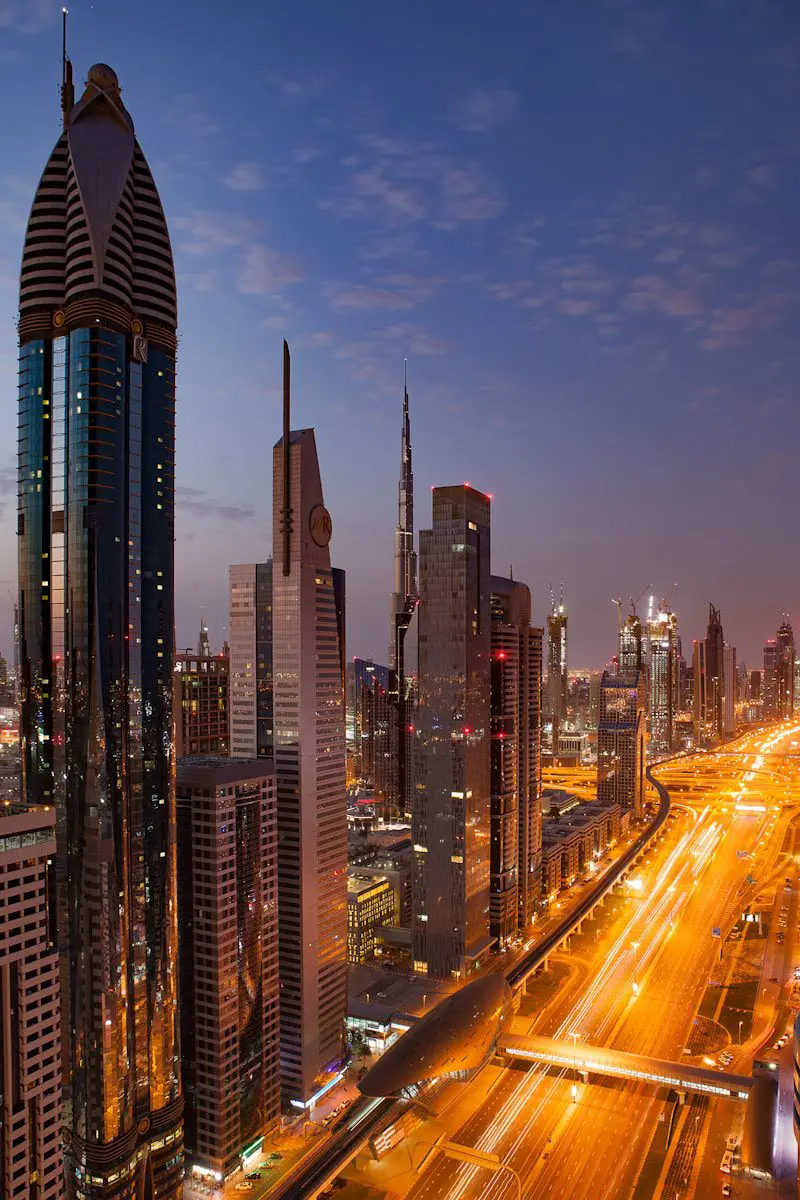
Driving is a popular option for residents of nearby countries and emirates thanks to well maintained regional highways. Major routes such as the E11 from Abu Dhabi and the E44 from Oman lead directly into Dubai. Drivers should familiarize themselves with local driving laws, including strictly enforced speed limits, and carry all necessary documentation, including a valid driving license, UAE-compliant car insurance, and vehicle registration.
Rail Travel to Dubai
There is currently no direct international rail link into Dubai, though plans are underway as part of the wider Gulf Railway Network, a project intended to connect all six GCC countries, including Saudi Arabia, Kuwait, the UAE, Qatar, Bahrain, and Oman. Once complete, this would offer an additional, more sustainable way to travel to and from Dubai.
5 Top Tips for Expats Traveling to Dubai
- Understand Visa and Immigration Requirements
Before you travel, get clear on the visa route that applies to you, since the UAE offers several types, including employment visas and long-term visas for property investors. The General Directorate of Residency and Foreigners Affairs (GDRFA) is the authoritative source for current requirements.
- Prepare for the Climate
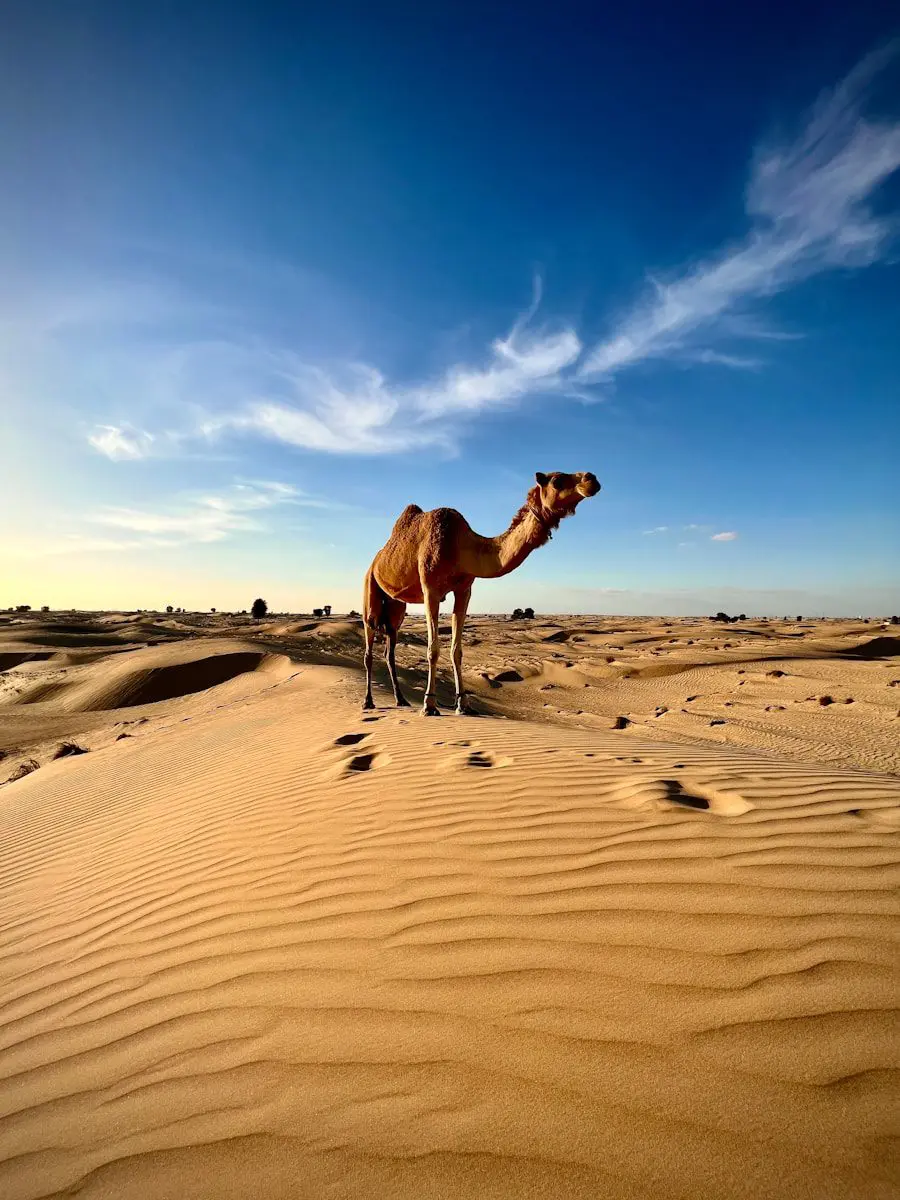
Dubai has a desert climate, with extremely hot summers and mild winters. Suitable clothing and sun protection are worth planning for well before arrival, particularly if you’re moving during the summer months.
- Healthcare Preparation
Dubai’s healthcare system is excellent but can be expensive, and health insurance coverage is mandatory for all residents. It’s worth familiarizing yourself with the medical facilities and services available in the city ahead of time, alongside making sure your cover is in place before you arrive. Check out our International Health Insurance in Dubai page for more info.
- Cultural Sensitivity and Legalities
Understanding local laws and cultural norms matters in Dubai. The city places real weight on modesty, respect for tradition, and strict adherence to its laws, which extend to dress codes and public behavior, including a general expectation against public displays of affection.
- Networking and Community Engagement
Dubai has a large, diverse expatriate community, and engaging with local community groups and social networks early on can make a real difference in settling in, both socially and professionally.
Looking to move to Dubai? Don’t forget to get the right International Healthcare Insurance.