Housing Guide for Expats in The Netherlands
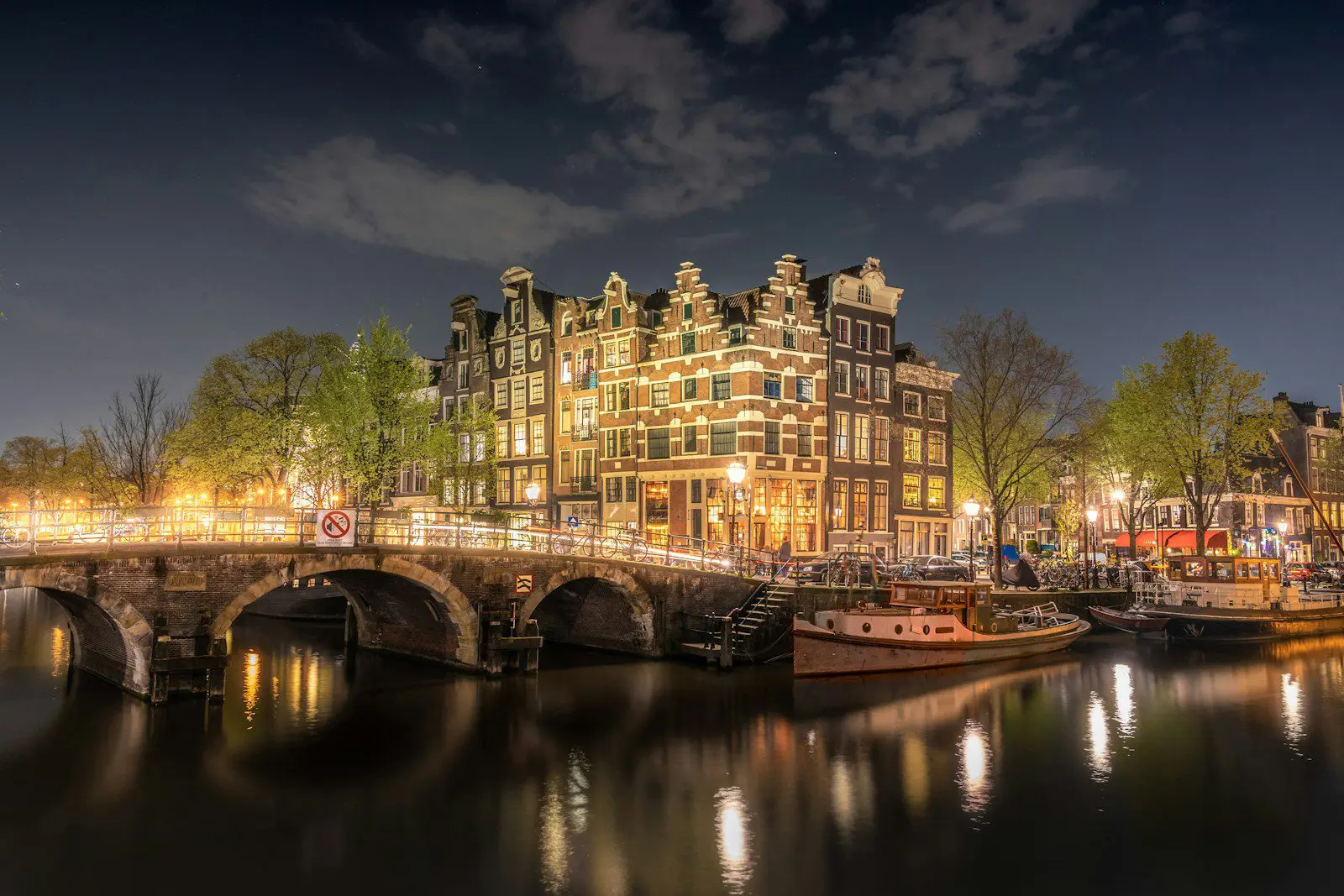
The Netherlands, with its picturesque canals, vibrant culture, and entrepreneurial spirit, attracts many expats eager to call it home. Finding the right place to live and securing essential insurance are crucial decisions. This guide provides insight into buying and renting properties, along with the key insurance you need for peace of mind in the Netherlands.
Rental Market for Expats in the Netherlands
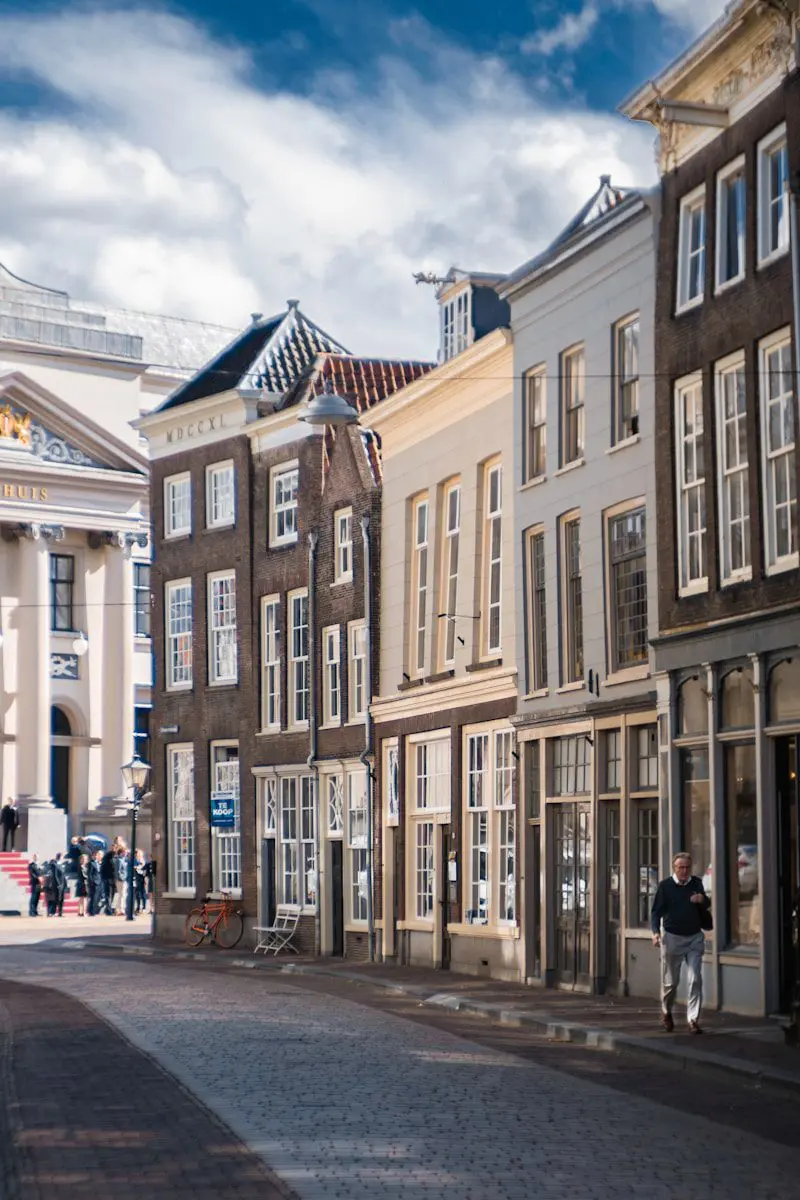
Renting Property in the Netherlands
Pros:
- Lower upfront costs and flexibility, making it easier to relocate if needed.
- Less maintenance responsibility, since the landlord handles most repairs and upkeep.
- A wider variety of locations and property types available.
Cons:
- Rent payments add up over time, with no equity gain unlike buying.
- Subject to landlord regulations and potential rent increases.
- Less control over the property’s condition and modifications.
Steps:
- Define your budget and desired location, considering factors like proximity to work, amenities, and transportation.
- Browse online listings and contact rental agencies, using platforms like Funda and Pararius.
- Schedule viewings and ask detailed questions to understand rental terms, contract duration, and included utilities.
- Negotiate rent and terms, discussing flexibility and potential adjustments with the landlord.
- Sign a legal rental contract, ensuring it’s in English or a translated version you understand, and seek legal advice if needed.
- Secure a guarantor if required, since some landlords ask for someone who vouches for your rent payments.
Useful Resources
- Nederlandse Vereniging van Makelaars (NVM): Dutch Real Estate Association
- Kadaster: Land Registry Office
- Huure: find apartments, houses, and rooms for rent
Buying in the Netherlands as an Expat
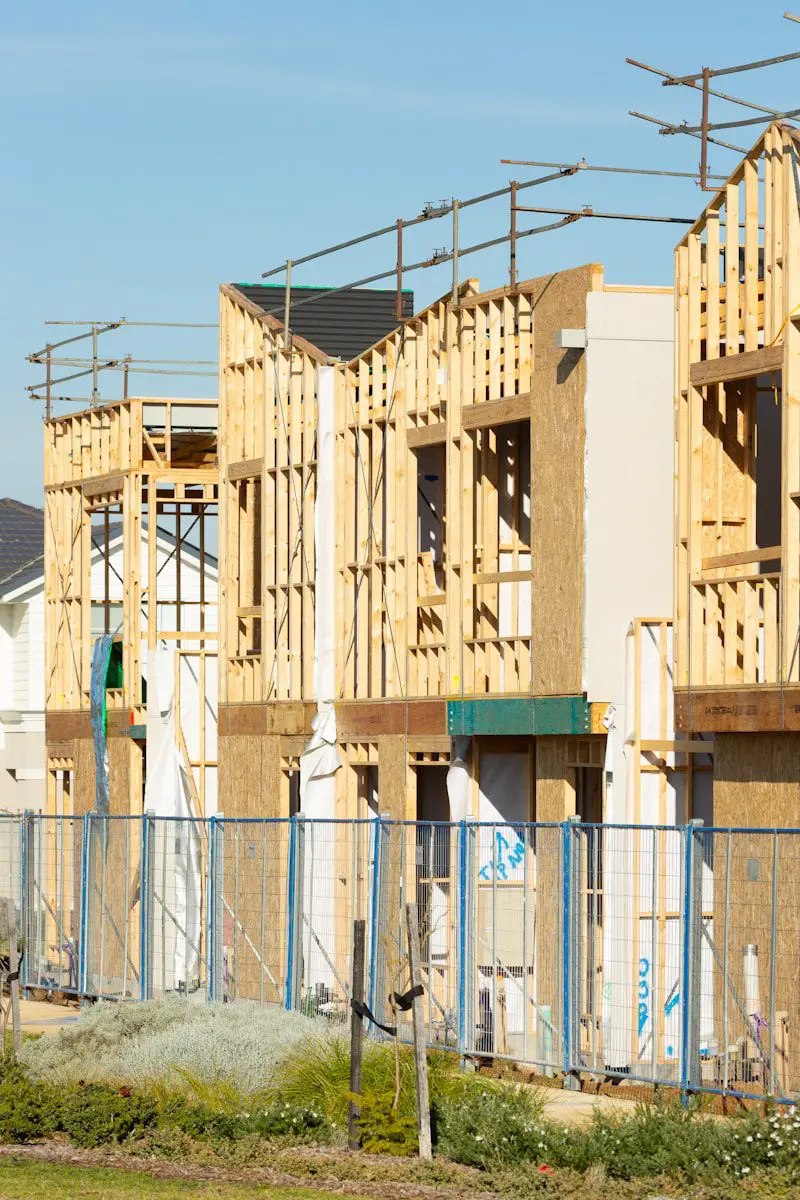
Buying Property
Pros:
- Long-term investment, with potential for capital appreciation and building equity.
- Customisation and control, allowing you to personalise your space and make renovations.
- A path to residency, with programmes offering residency for significant investment in real estate.
Cons:
- Higher upfront costs, including property taxes, legal fees, and potential renovations.
- Maintenance responsibility falls on you, involving time and financial commitment.
- Market risk, since prices can fluctuate and selling might take time.
Steps:
- Secure a BSN (Burgerservicenummer), your social security number, essential for financial transactions.
- Obtain pre-approval for a mortgage if needed, speaking to Dutch banks or expat-friendly lenders.
- Find a reputable real estate agent who can guide you through the process, search for suitable properties, and negotiate on your behalf.
- Hire a lawyer, essential for navigating legal aspects, contracts, and ensuring title clarity.
- Understand closing costs, factoring in property transfer tax, stamp duty, legal fees, and notary fees.
- Consider property management if renting out your property, since a professional company can handle tenant relations and maintenance.
Essential Insurance
Home Insurance: protects against property damage from fire, theft, natural disasters, and water leaks. Consider optional add-ons like tenant liability coverage or accidental damage.
Health Insurance: the Netherlands has a public healthcare system, but private insurance offers faster access and broader coverage. Plans vary, so it’s worth comparing options and choosing one that suits your needs and budget.
Life Insurance: provides financial security for your loved ones in case of your passing, especially relevant if you have dependents or significant financial responsibilities.
Additional Considerations:
- Tax implications: understand property taxes, rental income taxes, and potential wealth tax for property owners.
- Currency exchange: factor in currency fluctuations when budgeting and making financial decisions.
- Cultural differences: be mindful of local customs and regulations regarding property ownership and rentals.
Buying or renting a property is a significant decision. It’s worth conducting thorough research, seeking professional guidance, and making informed choices based on your individual circumstances and goals. Enjoy the process of finding your perfect home in the Netherlands.
This information is for general guidance only and does not constitute professional legal advice.

International Health Insurance for Expats Living in the Netherlands
Getting settled in the Netherlands means prioritising the right essentials from day one, and health insurance is legally mandatory for all residents, including Americans. Without a BSN, you can’t yet enrol in the Dutch system, which means you need international cover in place while your registration is processed. ExpatInsure can help you find the right plan alongside your housing setup in the Netherlands, visit our Netherlands international health insurance page to explore your options.
Looking for the right expat healthcare insurance? Getting a quote is the first step in securing your health and peace of mind while living or traveling abroad.