
Japan Country Facts for Expats
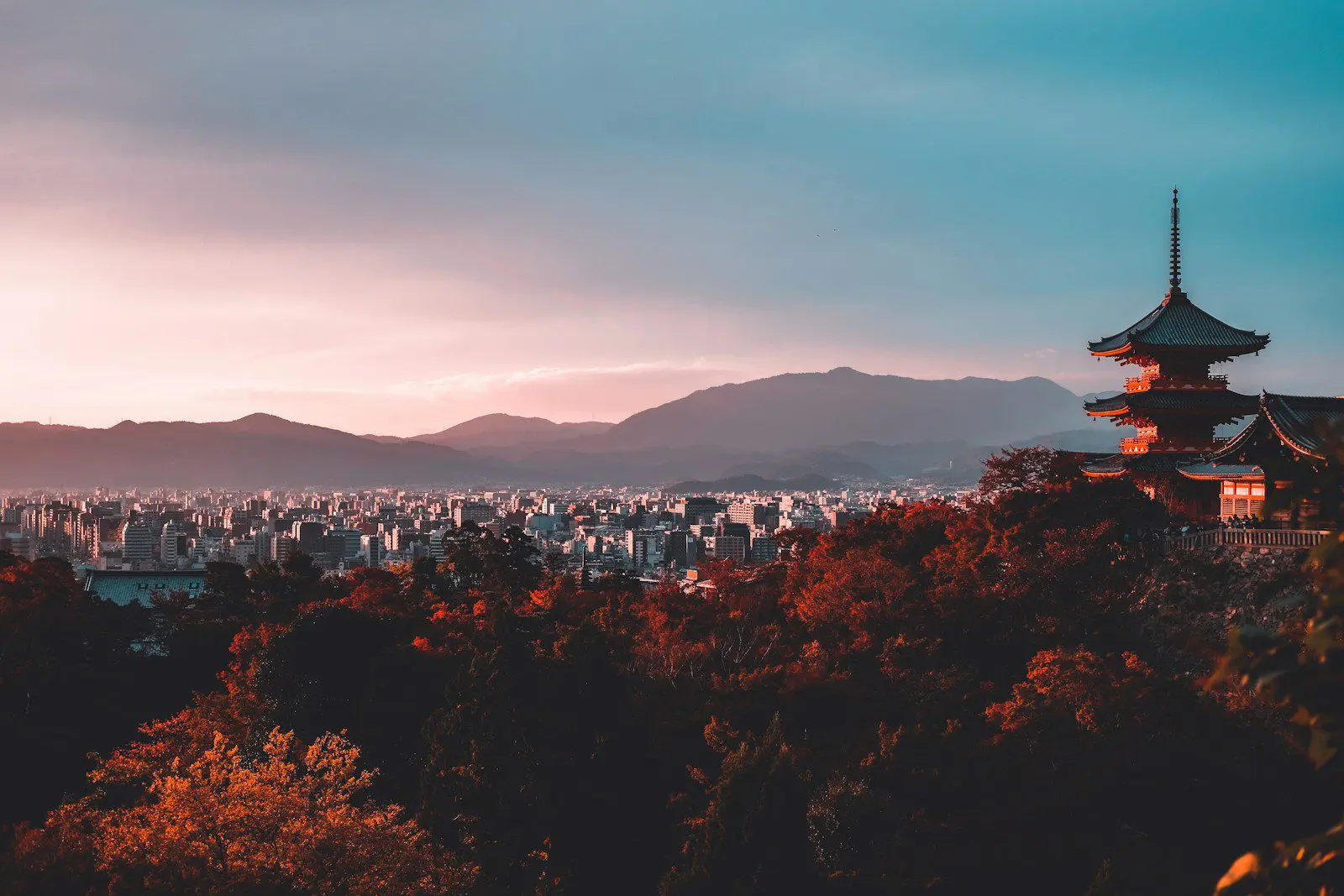
Japan, an archipelago in East Asia, is renowned for its unique blend of ancient traditions and cutting-edge modernity. From the bustling metropolis of Tokyo to the serene temples of Kyoto, Japan offers a captivating living experience for expatriates. Known for its high quality of life, excellent public transportation, and advanced technology, Japan attracts expats seeking both professional opportunities and cultural enrichment.
Read on to find out some basic, and hopefully interesting, facts about Japan.
What Is Japan’s Geography and Climate Like?
Japan consists of four main islands, Honshu, Hokkaido, Kyushu, and Shikoku, along with numerous smaller islands, covering a total area of approximately 377,975 square kilometers. The country is characterized by mountainous terrain, volcanic activity, and extensive coastlines, with a diverse geography spanning lush forests, hot springs, bustling cities, and tranquil countryside.
The climate varies significantly from north to south. Hokkaido experiences cold winters with heavy snowfall, while the southern islands enjoy a subtropical climate. Central regions including Tokyo and Osaka have four distinct seasons: a hot, humid summer, a cool autumn, a cold winter, and a mild spring. Japan is also prone to natural disasters such as earthquakes, typhoons, and tsunamis, which shape building practices and emergency preparedness nationwide.
How Is Japan Governed?
Japan is a constitutional monarchy with a parliamentary government. The Emperor of Japan serves as the ceremonial head of state, while real political power lies with elected officials. The legislative body, the National Diet, is bicameral, made up of the House of Representatives and the House of Councillors.
The Prime Minister, appointed by the Emperor based on the Diet’s designation, serves as head of government and leads the executive branch, which includes various ministries and agencies. Japan’s government structure emphasizes separation of powers, with checks and balances built in to ensure accountability. The country is divided into 47 prefectures, each governed by an elected governor and local assemblies, allowing for tailored regional governance.
What Are the Demographics of Japan?
Population: Japan has a population of approximately 125 million people, with the majority residing in urban areas. Tokyo, Osaka, and Nagoya are the largest metropolitan regions.
Capital City: Tokyo is one of the most populous and dynamic cities in the world, known for its skyscrapers, bustling streets, cultural landmarks, and status as a major economic hub.
Japan’s population is notably homogeneous, with ethnic Japanese making up the vast majority, though there’s a growing number of foreign residents, particularly from neighboring Asian countries. The demographic structure is characterized by an aging population and a low birth rate, leading to a high median age.
What Is the History of Japan?
Japan’s history blends feudal eras, imperial dynasties, and rapid modernization. Early Japanese history is marked by the Yamato dynasty, which established the first centralized state around the 4th century. The Heian period (794-1185) saw classical Japanese culture flourish, with major contributions to literature and the arts.
The feudal era, dominated by samurai and shoguns, began in the late 12th century and lasted until the mid-19th century. The Meiji Restoration in 1868 marked a turning point, as Japan rapidly modernized and industrialized into a major global power. Japan’s participation in the Second World War and subsequent defeat led to significant political, economic, and social change. The post-war period saw Japan emerge as a democratic nation with a robust economy, and today it’s known for its technological advancement, cultural exports, and role on the world stage.
What Is the Economy of Japan Like?
Japan has one of the world’s largest and most advanced economies, known for its strong industrial base, technological innovation, and global trade networks. Major sectors include automobiles, electronics, robotics, and precision machinery, with companies like Toyota, Sony, and Panasonic among global leaders.
Japan also has a significant service sector, with finance, retail, and tourism contributing substantially to GDP. The country is known for its high-quality infrastructure, efficient public transportation, and robust healthcare system. Despite these strengths, Japan faces an aging population, a shrinking workforce, and deflationary pressures, prompting various government reforms aimed at stimulating growth and improving productivity.
What Is Japanese Culture Like?
Respect and Etiquette: Japanese culture is deeply rooted in respect and etiquette. Practices such as bowing, removing shoes before entering a home, and polite language reflect the importance of respect in social interactions.
Traditions and Festivals: Japan is known for its rich traditions and vibrant festivals. Cherry blossom (sakura) viewing in spring, tea ceremonies, and traditional arts like ikebana (flower arranging) and kabuki theater are integral to Japanese culture, alongside festivals such as Obon, Gion Matsuri, and New Year’s celebrations.
Cuisine: Japanese cuisine, or washoku, is recognized as a UNESCO Intangible Cultural Heritage. It emphasizes seasonal ingredients, presentation, and balance, with dishes like sushi, tempura, ramen, and bento popular worldwide, alongside dining customs like communal dining and the enjoyment of tea.
What Are the Challenges Facing Japan?
Japan’s aging population and low birth rate are among its most pressing issues, leading to a shrinking workforce and increasing pressure on social welfare systems. The government continues implementing policies aimed at encouraging higher birth rates and integrating more women and older individuals into the workforce.
Economic stagnation and deflation have also been long-standing challenges. While Japan remains a major global economy, it faces slow growth and an ongoing need for reforms to boost productivity and innovation, including monetary easing, fiscal stimulus, and structural changes.
Environmental sustainability is another key challenge, given Japan’s exposure to earthquakes, tsunamis, and typhoons, which demands robust disaster preparedness and resilience. The country is also working to balance economic development with environmental conservation, focusing on reducing carbon emissions and expanding renewable energy.
Socially, balancing cultural tradition with globalization, addressing mental health, and improving work-life balance remain significant priorities. Japan’s long working hours and societal pressures can contribute to stress and health issues, prompting initiatives aimed at a healthier work culture and better quality of life.
One of the most important practical steps before moving to Japan is arranging international health insurance. Japan has an excellent healthcare system, but access as an expat depends on your visa and residency status, and costs can be significant without the right cover in place. Read our full guide to international health insurance in Japan to find out what you need and how to compare plans.
Request a quote for international health insurance today! Comprehensive coverage for peace of mind in Japan