
Housing Guide for Expats in Japan
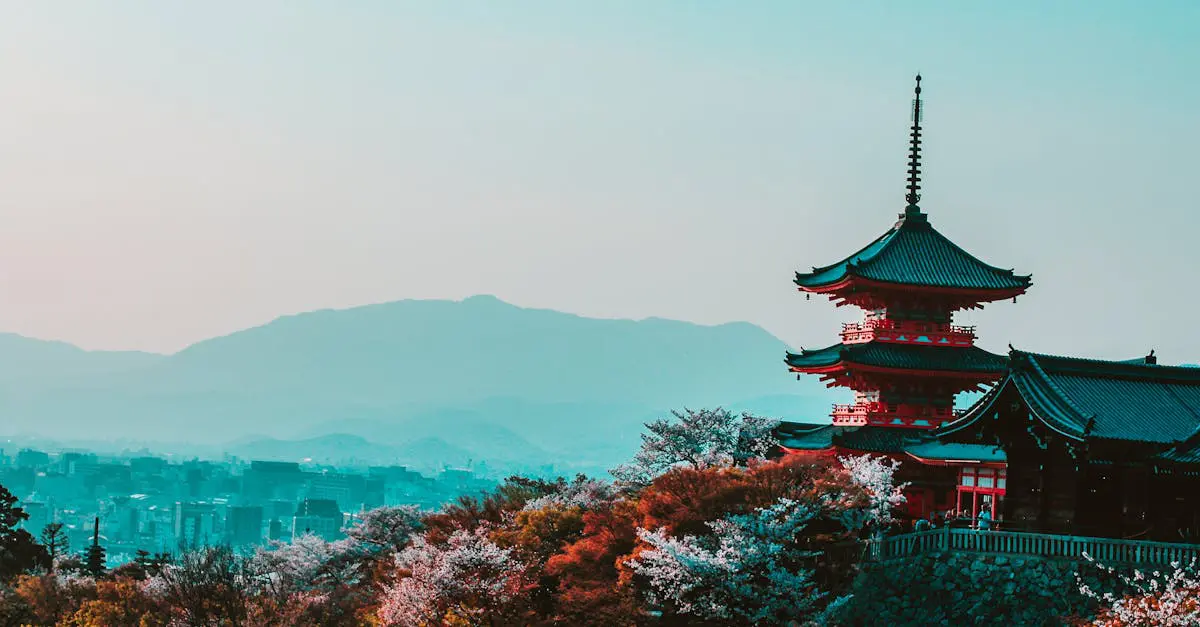
Types of Housing in Japan
Websites such as realestate.co.jp and housingjapan.com are great for looking at examples of various housing on the market. Knowing about the following types of housing in Japan will aid any search.
Apartments (Mansions and Apato)
Common in urban areas, apartments range from high-rise buildings to smaller complexes. “Mansions” are typically newer and offer more amenities, while “apato” refers to older or more basic apartments.
Mansions are usually complexes of three or more storeys. Bigger ones typically have elevators, and apartments range in size, sometimes spanning more than one floor. They are often well maintained and attract a higher rent.
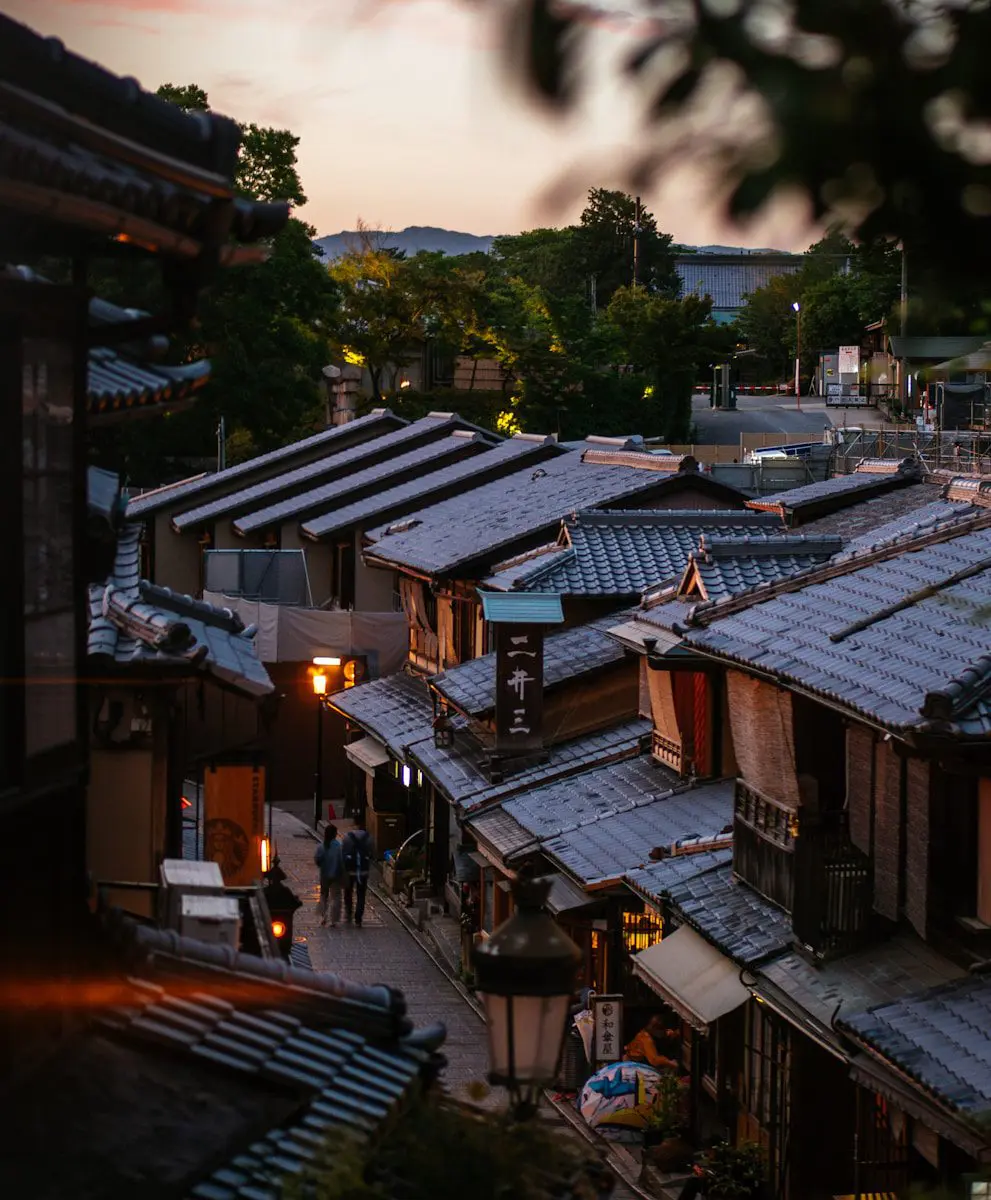
Apato is the term for a two-storey wood and iron building. The units are small and typically have a mezzanine for sleeping. Insulation and soundproofing tend to be poorer in these apartments, but they are typically cheaper to rent.
Houses (Kodate)
Plenty of houses are for sale in Japan, with single-family homes more common in suburban and rural areas, offering more space and privacy. These houses can vary widely in style, from traditional wooden structures to modern designs. Many come with gardens, which are especially appealing to families. They may require more maintenance than apartments.
Share Houses
These are communal living spaces where residents rent private rooms while sharing common areas like kitchens and living rooms. Share houses are popular among expats and young professionals or students, since they offer a cost-effective living arrangement and foster social interaction. They often host events to help residents connect.
Ryokan and Guesthouses
Both offer accommodation to travellers or those staying for a shorter time. Ryokan are traditional Japanese inns which often feature tatami mat flooring, futon bedding, and communal baths. Staying in a ryokan allows guests to experience Japanese hospitality and cuisine. While these are primarily aimed at travellers, some ryokan offer long-term stays for those looking to immerse themselves in traditional culture.
Guesthouses are affordable lodging options that cater to both travellers and long-term residents. They typically offer shared facilities and are popular among expats looking for budget-friendly accommodation, ranging from basic dormitory-style rooms to private rooms with shared bathrooms.
Luxury Condominiums
These high-end residential units offer premium living with amenities such as gyms, swimming pools, and concierge services. Often located in prime urban areas, luxury condominiums are fully furnished and cater to expats and locals seeking a comfortable, stylish living environment.
Renting a Home in Japan as an Expat
Renting a home in Japan as an expat can be a complicated process. Understanding local customs, lease agreements, and rental regulations allows for a smoother transition. Expats should be prepared for upfront costs, such as key money and deposit fees, which can vary significantly.
Legal Considerations and Procedures
When renting a home in Japan as an expat, several legal considerations and procedures must be kept in mind:
- Residency Status: Expats are typically required to show proof of legal residency in Japan, such as a visa or residence card, to rent a home. Landlords often prefer tenants with long-term visas, such as work or spouse visas.
- Guarantor Requirement: Most landlords will ask for a guarantor (hoshonin), a Japanese citizen or company who co-signs the lease and is responsible for the rent if the tenant is unable to pay. If you don’t have a guarantor, some rental agencies offer guarantor services for a fee.
- Upfront Costs: Renting in Japan usually involves significant upfront costs, including:
- Key Money (Reikin): a non-refundable fee paid to the landlord as a gesture of gratitude, often amounting to one or two months’ rent.
- Security Deposit (Shikikin): a refundable deposit, typically one to two months’ rent, which covers any damages or unpaid rent.
- Agency Fees: real estate agents often charge a fee equivalent to one month’s rent.
- Lease Terms: Lease agreements in Japan are typically for two years, with the option to renew. Renewal often incurs a renewal fee. It’s worth reading the lease carefully and understanding the terms, especially the conditions for early termination.
- Contract Language: Lease agreements are usually written in Japanese, so expats unfamiliar with the language may need assistance from a translator or legal advisor to understand the contract fully.
- Rent Payment: Rent is usually paid monthly via bank transfer. Late payments are not tolerated, and it’s important to ensure timely payment to maintain a good relationship with the landlord.
Buying a House in Japan as an Expat
Buying a house in Japan as an expat is an exciting opportunity but involves unique considerations. Foreigners are allowed to purchase property without needing permanent residency, but securing financing, navigating legal procedures, and understanding the costs can be complex.
Expats should be prepared for upfront expenses like agent fees, registration costs, and taxes. Finding a mortgage may require long-term residency status or a guarantor, so hiring a bilingual real estate agent or legal advisor is recommended to handle the language barrier and help ensure a smooth transaction.
Key Phases of Buying Property in Japan
- Property Search: Work with a real estate agent to find properties that meet your preferences, such as location, budget, and type. Agents can help navigate the local market and property options. It’s also worth familiarising yourself with neighbourhood amenities, transportation options, and potential for property value growth.
- Financing: Many Japanese banks require long-term residency, such as a permanent resident or work visa, proof of stable income, and sometimes a guarantor. Some foreign banks in Japan offer mortgage options for expats, with varying terms and interest rates. During this phase, it’s worth understanding the total costs involved, including loan interest rates, monthly payments, and eligibility for tax deductions.
- Preliminary Agreement: At this stage, you sign a preliminary sales contract, sometimes called a Letter of Intent (LOI), and pay a deposit, usually 5 to 10% of the property price, to show your commitment. This deposit is typically non-refundable unless otherwise specified in the contract, so it’s worth fully understanding the terms before proceeding.
- Final Agreement and Payment: After due diligence is completed, the final sales contract is signed. This involves paying the remaining balance of the property price, along with additional costs such as registration fees, agent commissions, stamp duty, and taxes. Backing out after this point can result in penalties or loss of the deposit.
- Registration and Handover: Once the final payment is made, the property is registered in the buyer’s name at the Legal Affairs Bureau, confirming ownership and completing the transaction. A judicial scrivener typically handles the paperwork for the property registration, after which the keys are handed over and the buyer takes possession of the property.
Further Considerations for Expatriates
- Language Barrier: Most real estate contracts and documentation in Japan are written in Japanese, which can pose a significant challenge for expats unfamiliar with the language. Hiring a bilingual real estate agent, legal advisor, or translator can help explain the terms of the contract and assist with negotiations, making the process smoother and more transparent.
- Property Resale: The Japanese real estate market can present challenges when reselling properties, particularly for older homes or those in rural areas. Resale values can fluctuate based on market demand and property condition, so it’s worth researching local trends and considering the long-term resale or rental potential of a property before purchasing.
- Permanent Residency: Owning property in Japan does not grant permanent residency or a visa, so it’s important to keep your legal status in mind. That said, it can strengthen an application for permanent residency by demonstrating long-term commitment, financial stability, and community engagement.
Finding the Right Neighbourhood in Japan as an Expat
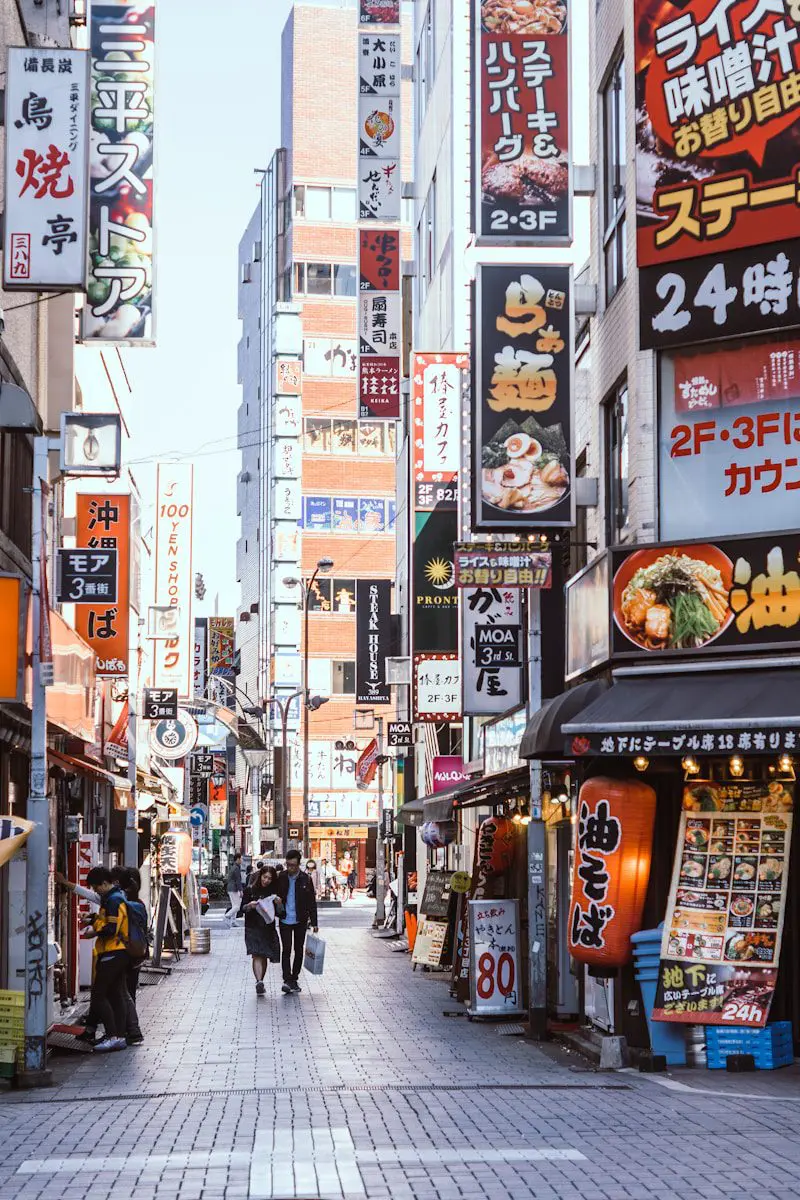
Finding the right neighbourhood in Japan is a crucial step for expats looking to settle in the country. With diverse options ranging from bustling urban centres like Shibuya and Shinjuku in Tokyo to more tranquil areas such as Kamakura or Kyoto, choosing a suitable location involves considering several factors.
Key aspects to consider include proximity to work or school, access to public transportation, local amenities, and the overall lifestyle you want. Neighbourhoods like Namba in Osaka offer vibrant nightlife, while places like Sapporo provide a relaxed, nature-oriented environment.
The Expat Community in Japan
The expat community in Japan is vibrant and diverse, with significant populations concentrated in major cities.
- Tokyo: many expats gravitate toward Roppongi and Shinjuku. Roppongi is known for its vibrant nightlife and cosmopolitan atmosphere, with a wide range of international restaurants, bars, and cultural events, plus various embassies and organisations that cater to the expatriate community. Shinjuku is famous for its entertainment options, shopping, and diverse dining scene, and its energetic environment attracts many expats. The area’s parks, such as Shinjuku Gyoen, also offer a respite from the urban hustle.
- Osaka: two neighbourhoods stand out for expats moving to the area. Namba is renowned for its lively streets and entertainment options, a hub for expats looking to immerse themselves in local culture with international comforts, filled with shops, restaurants, nightlife, and frequent events and festivals. Umeda, a major commercial district, offers a mix of shopping, dining, and cultural experiences, with modern amenities and excellent transportation links.
- Yokohama: offering a change of pace from the faster capitals, Yokohama, with its picturesque waterfront and more relaxed lifestyle, appeals particularly to families and those seeking a quieter environment. The city’s international atmosphere is reflected in areas like the Minato Mirai district, which offers beautiful parks, shopping, and dining options, along with a growing expat community.
These neighbourhoods in Japan not only offer diverse living experiences but also provide valuable connections and resources for newcomers navigating their lives as expats.
Moving to Japan and finding the right housing can be an exciting and rewarding experience for expatriates. With its diverse cities, welcoming communities, and rich cultural heritage, Japan offers living environments to suit different lifestyles and preferences.
It’s worth conducting thorough research and seeking professional advice when necessary to make informed decisions that will enhance your Japanese living experience.
Health Insurance While You Settle In
Sorting your housing is only part of settling into Japan. Health insurance is also a key early step, since access to Japan’s public system depends on your visa and residency status, and international cover can bridge the gap while that’s being arranged. Visit our Japan international health insurance page to explore your options.
Looking for the right expat healthcare insurance? Getting a quote is the first step in securing your health and peace of mind while living or traveling abroad.